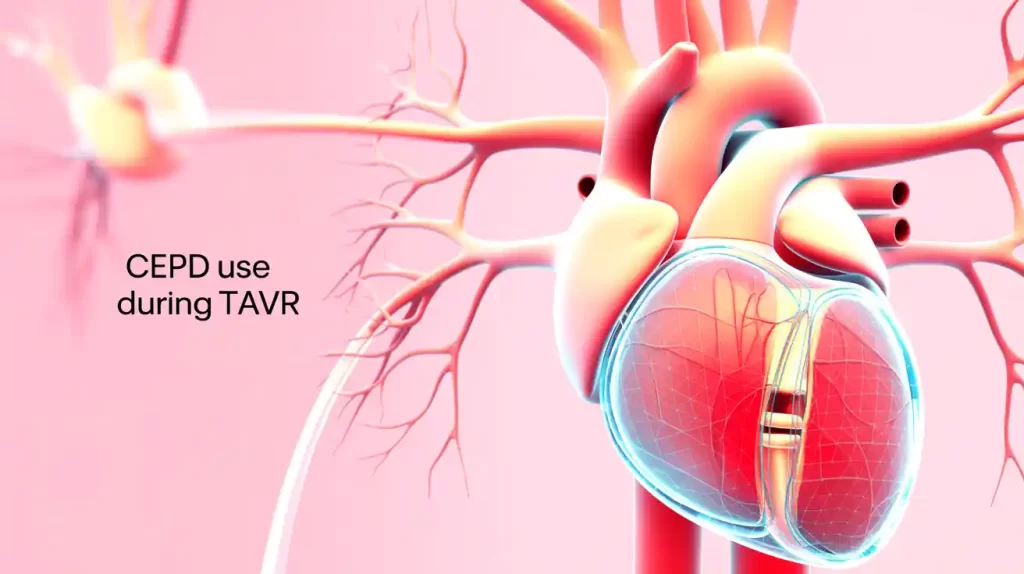
June 27, 2025 — Cerebral embolic protection devices (CEPDs) effectively capture debris during transcatheter aortic valve replacement (TAVR), but current evidence does not demonstrate significant improvements in patient outcomes, according to Hani Jneid, MD, cardiology chief at The University of Texas Medical Branch.
Recent large trials including BHF PROTECT-TAVI and PROTECTED TAVR, primarily using Boston Scientific’s Sentinel device, found no meaningful reduction in stroke risk within 72 hours post-procedure among unselected patients. Stroke incidence after TAVR has declined due to advances in technology and technique, diminishing the apparent benefit of CEPDs and raising questions about their cost-effectiveness.
Researchers suggest future work to identify patient subgroups who may benefit, improve device design, and integrate stroke prevention into personalized care. For now, universal CEPD use in TAVR is not supported by the evidence.
Follow MEDWIRE.AI for cardiovascular innovation updates.