GE HealthCare has issued an urgent medical device correction for its Carestation anesthesia monitoring platform, following concerns about ventilation failures. While this correction does not involve removing the product from the market, the FDA has classified it as a Class I recall—the most serious type—due to the potential risk of injury or death.
The issue affects devices used for monitored anesthesia care, general inhalation anesthesia, and ventilatory support in neonatal, pediatric, and adult patients. Specifically, GE HealthCare identified that some systems may not provide effective ventilation in Volume Control Ventilation (VCV) mode. The company has advised users to switch to alternative modes such as Pressure Control Ventilation (PCV), Pressure Control Ventilation Volume Guarantee (PCV-VG), or manual ventilation until a permanent correction is implemented.
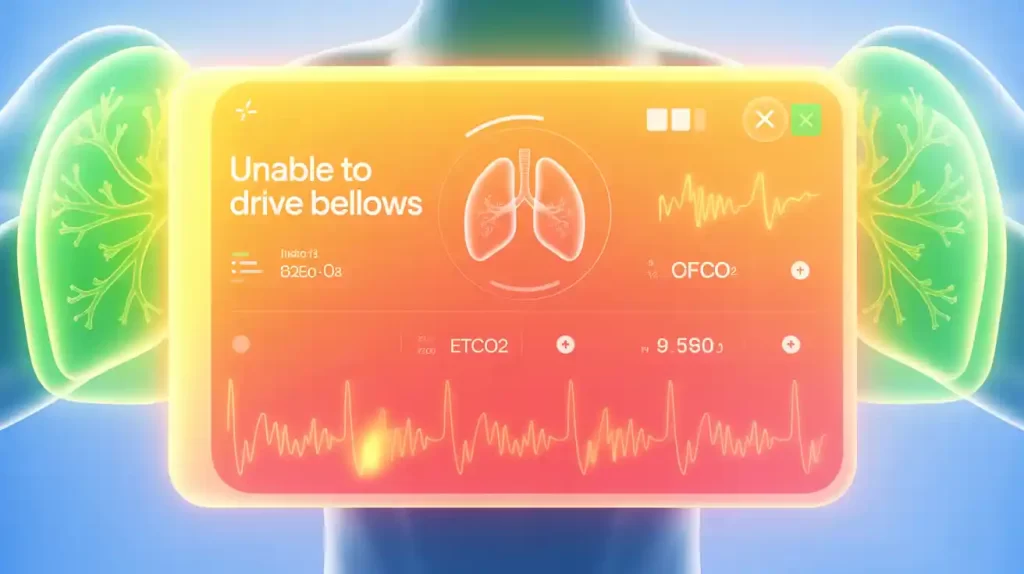
If the ventilation issue occurs, it is immediately detectable through multiple alerts. The bellows will stop moving, and users will see an “Unable to Drive Bellows” message alongside audible and visual alarms such as Apnea, EtCO2 low, MVexp low, RR low, and TVexp low. These indicators signal that the patient is not receiving adequate ventilation, which could lead to hypoxia and potentially death if not addressed.
GE HealthCare reports that no injuries or fatalities have occurred so far. Customers are advised to conduct a screening test; if the system passes, it can remain in use.
Follow MEDWIRE.AI for critical updates in medical device safety.